
Is Online Personal Training Worth It?

1. What Exactly Is Online Personal Training?
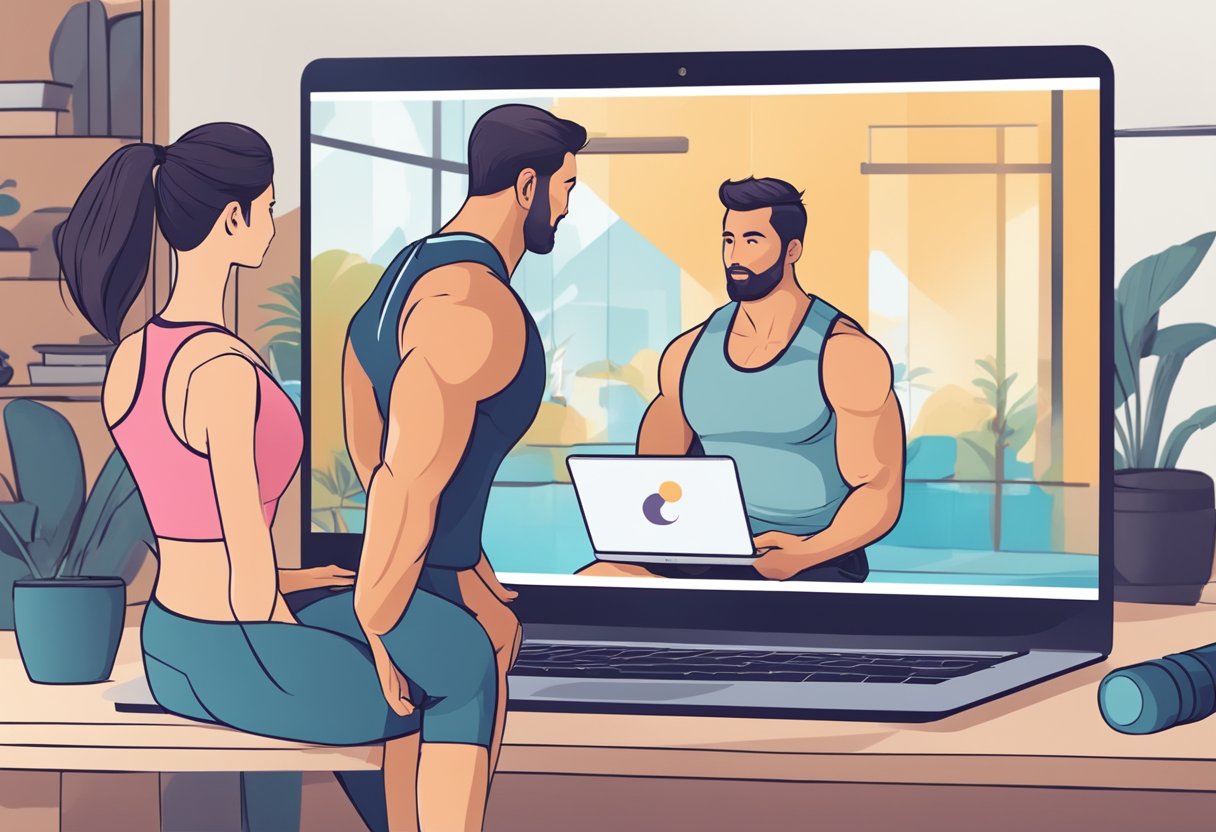
Online personal training involves a virtual personal trainer who provides flexible support for your workouts. It’s designed to help you stay accountable and focused on your fitness goals, whether that’s fat loss, muscle building, or improving sports performance.
Balancing regular in-person training sessions with work and family commitments can be challenging, but online personal training offers a solution by providing personalized coaching through an app. This ensures that you have bespoke programming and continuous contact with your coach.
2. What Are the Costs Associated with Online Personal Training?
The cost for online personal training generally starts around £150 per month. This fee typically includes:
- Access to an online coach
- Monthly updated progressive training programs
- Nutrition guidance
- Weekly check-ins with your coach
- Daily instant messaging
- Videos and tracking of metrics
- Access to a training app
- Accountability measures to support your progress
This comprehensive package aims to provide you with everything you need to achieve your fitness goals.
Popular Posts
- Massage Gun vs. Foam Roller: Which Recovery Tool Reigns Supreme?
- Squat Exercises for Seniors: Safe Techniques to Improve Mobility and Strength
- 10 Ways to Integrate Fitness into Your Busy Work Schedule
- 27 Best Calisthenics Exercises for Full-Body Strength and Fitness
- How to Exercise as a Shift Worker: Effective Strategies for Off-Hours Fitness
3. What Are the Benefits of Having a Virtual Fitness Coach?
An online personal trainer can offer numerous benefits to elevate your performance. Two primary advantages include:
- Flexibility: Online personal training allows you to receive coaching from anywhere in the world. You have access to your trainer right in the palm of your hand, which can often yield significant results.
- Accountability: Having a system that’s available 24/7 can be more effective than seeing a trainer a few times a week. With an app at your fingertips, you’re more likely to stay on track and achieve your fitness goals.
4. How Long Will It Take to See Results?
The timeframe to see results varies depending on your specific goals. However, a general recommendation is to commit to at least 90 days of training. This timeframe holds true whether you opt for online or in-person personal training, as it provides a realistic period for making noticeable progress.
Things To Look Out For
Coach Competencies
- Assess the coach’s client history and whether they have worked with individuals similar to you.
- Verify if they have achieved results that align with your goals.
- Look for reviews or testimonials from past clients.
Communication Methods
Effective communication extends beyond the training program. Evaluate how your coach will provide guidance.
- Do they use an app or live tracking sheet? Real-time coaching is crucial and shouldn’t be limited to a summary call at the end of the month.
Coach’s Credentials
In the digital age, some influencers may sell training programs without proper qualifications. Ensure your coach has legitimate certifications.
- Look for credentials from reputable organizations like the National Academy of Sports Medicine (NASM) or the American Council on Exercise (ACE).
Training Frequency with Your Online Personal Trainer
Consider the recommended training schedule to achieve your goals.
- Three sessions per week: This is often an effective frequency for gym or home training.
- Your coach should customize the number of sessions based on your lifestyle and goals, integrating accountability tasks throughout the week.
Effectiveness of Online Personal Training
Online personal training can deliver outstanding results.
- Global Success: Many people worldwide have achieved excellent outcomes using online methods.
- Don’t hesitate to try online personal training, especially if you’re a dedicated gym enthusiast.
Frequently Asked Questions

What advantages come with hiring an online personal trainer and nutritionist?
Engaging an online personal trainer and nutritionist offers flexibility, allowing you to work out at your convenience. You gain access to tailored plans designed to meet your specific fitness and dietary needs. There’s also the benefit of consistent check-ins and support, which can help you stay motivated and accountable.
How do the expenses of an online personal trainer measure up to in-person training?
Online personal trainers typically offer more affordable rates than in-person trainers. This is because you avoid extra costs such as gym memberships and travel expenses. Packages can range widely in price, often depending on the level of personalization and session frequency.
What should you anticipate from online personal training packages?
When you sign up for online personal training, you can expect to receive customized workout and nutrition plans. These packages usually include regular virtual check-ins, progress tracking, and adjustments to your plan as needed. Pricing structures often vary, with some trainers offering packages on a monthly basis while others charge per session.
What factors should be considered when choosing the best online personal trainer?
When selecting an online personal trainer, consider their certifications and qualifications, client reviews, and areas of specialization. Also, look into the trainer’s communication style and availability to ensure they align with your needs. It’s wise to choose someone who offers trial sessions or consultations.
How effective is an online personal trainer for achieving weight loss objectives?
An online personal trainer can be highly effective for weight loss by providing personalized workout plans and nutritional guidance. Regular monitoring and support help keep you accountable to your fitness goals. Success rates often depend on your commitment and consistency in following the provided plans.
What are the possible downsides of participating in virtual fitness training?
Virtual fitness training may lack the hands-on support and direct supervision of in-person sessions. This can be less effective for those needing physical adjustments during workouts. Technical issues such as poor internet connectivity can also disrupt sessions. Additionally, the virtual format might not be as motivating for some individuals compared to the in-person experience.