
Online workouts offer seniors a convenient way to stay active and healthy from the comfort of their homes. These exercise programs cater to various fitness levels and can be accessed through computers, tablets, or smartphones.
Choosing the right online workout for seniors involves considering factors such as physical limitations, personal fitness goals, and preferred exercise styles.
Many online workout platforms provide senior-specific classes that focus on low-impact exercises, balance improvement, and strength training. These programs often incorporate modifications for different abilities, ensuring that participants can exercise safely and effectively.
By exploring different options, seniors can find workouts that suit their needs and preferences.
Regular participation in online workouts can lead to improved mobility, increased strength, and enhanced overall well-being for older adults. As you embark on your fitness journey, remember to consult with a healthcare professional before starting any new exercise routine.
Popular Posts
- Massage Gun vs. Foam Roller: Which Recovery Tool Reigns Supreme?
- Squat Exercises for Seniors: Safe Techniques to Improve Mobility and Strength
- 27 Best Calisthenics Exercises for Full-Body Strength and Fitness
- 10 Ways to Integrate Fitness into Your Busy Work Schedule
- How to Exercise as a Shift Worker: Effective Strategies for Off-Hours Fitness
Key Takeaways
- Online workouts provide seniors with convenient, adaptable fitness options
- Choosing appropriate exercises based on individual needs enhances safety and effectiveness
- Regular participation can improve physical and mental well-being for older adults
Understanding Senior Fitness
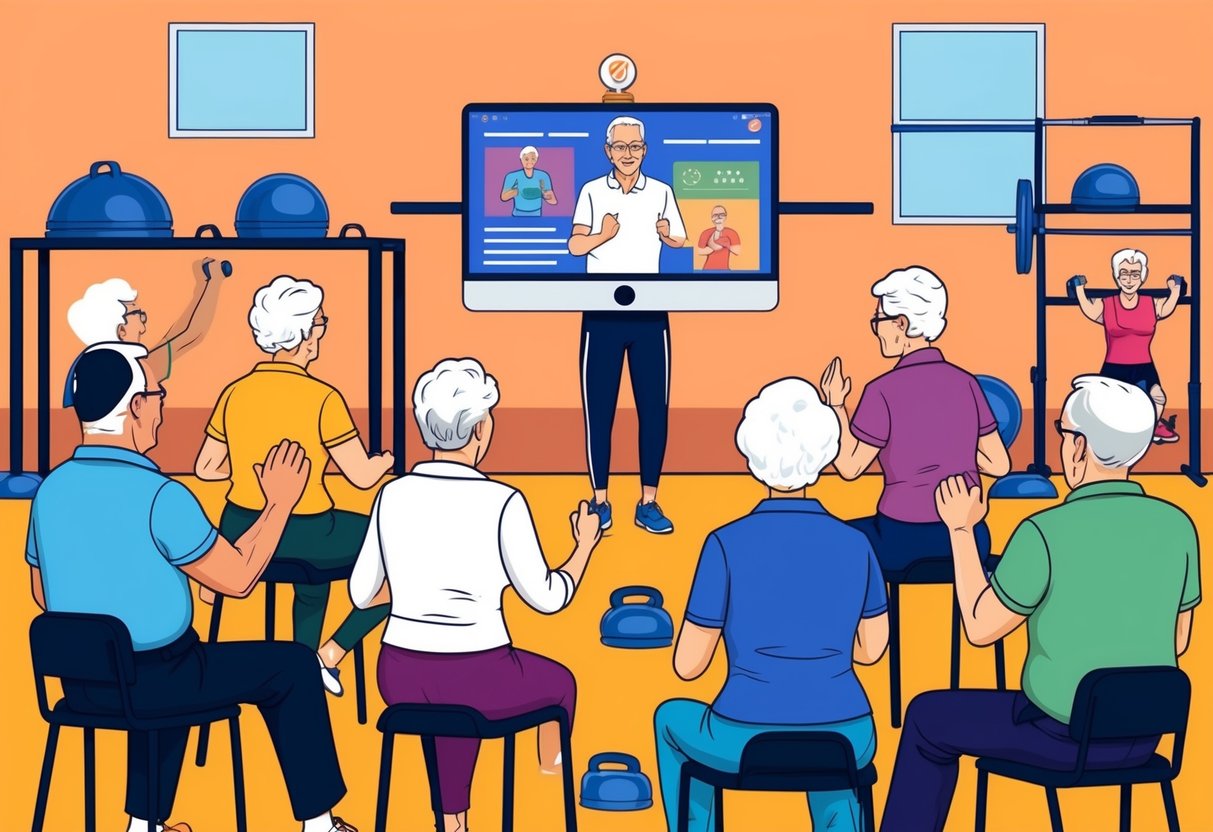
Senior fitness focuses on maintaining health and independence as you age. It encompasses several key areas that are crucial for older adults.
Strength training helps preserve muscle mass and bone density. This can reduce the risk of falls and fractures. You can use bodyweight exercises, resistance bands, or light weights.
Cardiovascular exercise improves heart health and stamina. Walking, swimming, or cycling are excellent low-impact options. Aim for at least 150 minutes of moderate activity per week.
Balance exercises enhance stability and coordination. These can include simple activities like standing on one foot or practicing tai chi.
Mobility work keeps joints flexible and reduces stiffness. Gentle stretching or yoga can help maintain range of motion.
Regular exercise can also boost cognitive function and mood. It may help manage chronic conditions like diabetes or arthritis.
Always consult your doctor before starting a new fitness program. They can advise on any limitations or precautions based on your health status.
Remember to start slowly and gradually increase intensity. Listen to your body and stop if you experience pain or discomfort.
Benefits of Online Workouts for Seniors
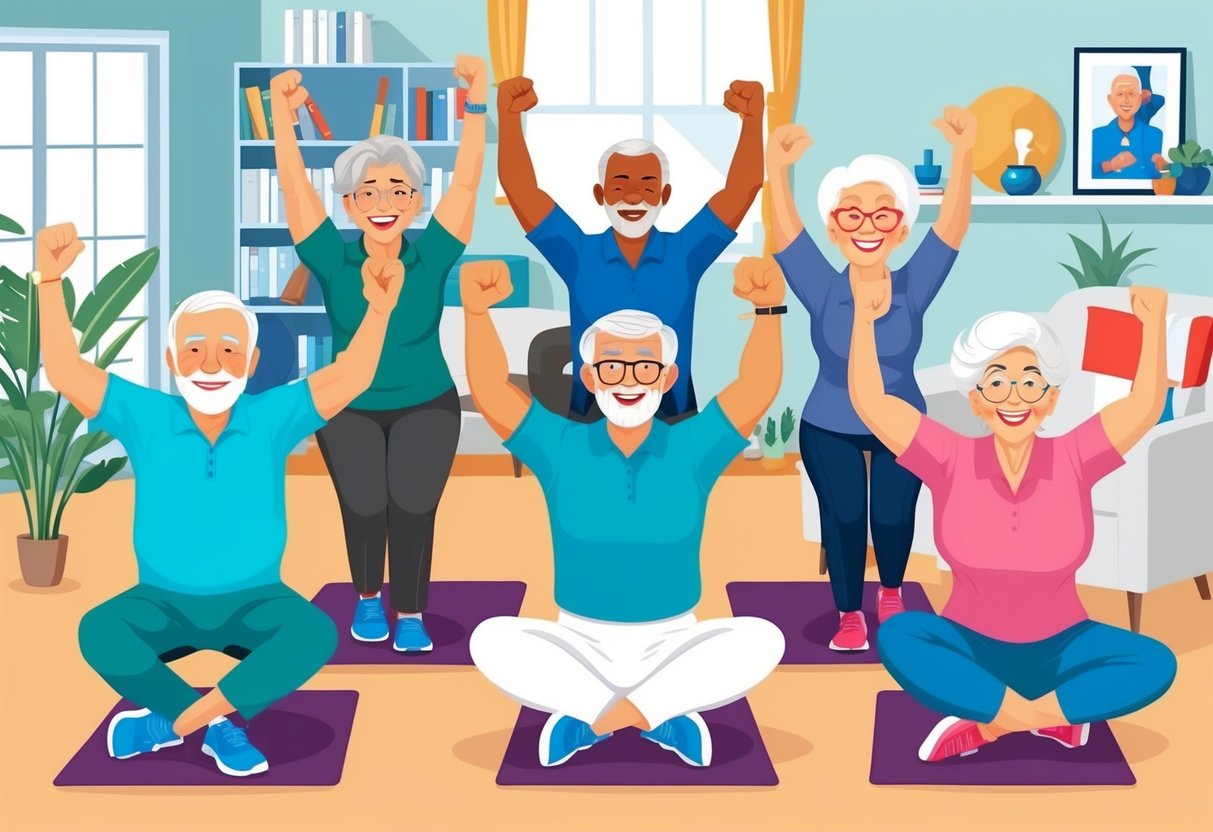
Online workouts offer seniors numerous advantages for staying active and healthy from the comfort of home. These programs provide flexibility, diverse exercise options, and opportunities for social connection.
Accessibility and Convenience
Online workouts eliminate many barriers that might prevent seniors from exercising regularly. You can access fitness videos anytime, anywhere, without leaving your home.
This convenience is especially helpful for those with mobility issues or limited transportation options.
No need to worry about gym hours or travel time. You can exercise at your own pace, pausing or repeating sections as needed.
Many online fitness programs offer on-demand content, allowing you to fit workouts into your schedule with ease.
Online exercise classes often require minimal equipment, making them budget-friendly. You can typically use household items or small, affordable fitness tools to participate fully in the routines.
Variety of Exercise Options
Online platforms provide a wide range of workout styles to suit different preferences and fitness levels. You can choose from:
- Low-impact cardio
- Strength training
- Yoga and stretching
- Balance exercises
- Chair-based workouts
This variety helps prevent boredom and allows you to target different aspects of your fitness. You can easily switch between workout types to create a well-rounded exercise routine.
Many online fitness videos offer modifications for exercises, ensuring you can participate safely regardless of your current abilities.
Customized Fitness Opportunities
Online workouts often come with features that allow you to tailor your exercise experience. You can:
- Select difficulty levels
- Choose workout durations
- Focus on specific body areas or fitness goals
Some platforms use algorithms to recommend workouts based on your preferences and progress.
This personalization helps you stay motivated and challenged as your fitness improves.
Many online fitness programs offer tracking tools to monitor your progress.
These features can help you set and achieve realistic goals, boosting your confidence and commitment to regular exercise.
Community and Social Interaction
Despite being virtual, online workouts can provide valuable social connections. Many platforms offer:
- Live-streamed classes with real-time instructor interaction
- Small group classes where you can see and chat with other participants
- Online forums or social media groups to share experiences and tips
These social elements can help combat isolation and create a sense of belonging. You can build relationships with instructors and fellow participants, fostering a supportive community.
Some programs organize virtual events or challenges, adding a fun, competitive element to your fitness journey. These activities can boost motivation and create shared experiences with other seniors.
Key Components of Effective Senior Workouts
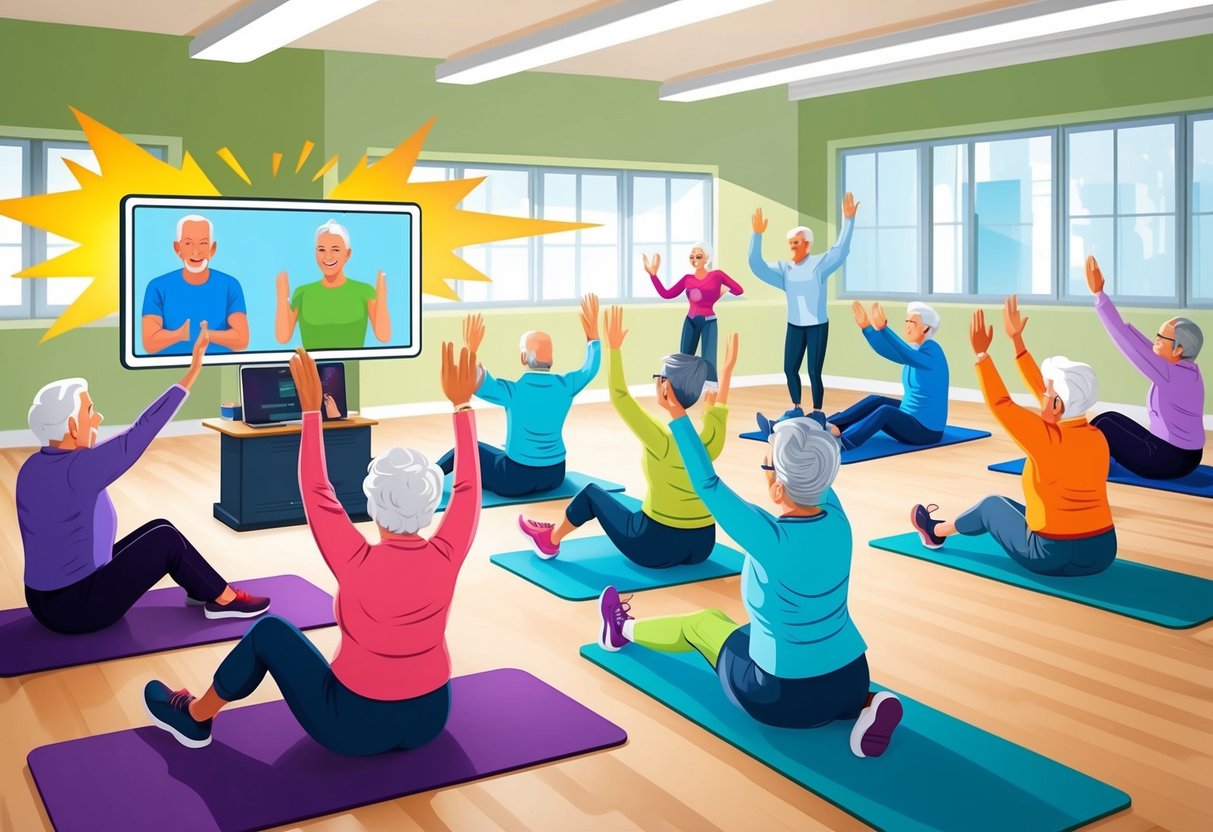
Effective senior workouts incorporate several essential elements to promote overall health and fitness. These components target different aspects of physical well-being, helping older adults maintain strength, endurance, and mobility.
Strength Training and Core Work
Strength training is crucial for seniors to maintain muscle mass and bone density.
Focus on exercises that target major muscle groups, such as squats, lunges, and arm curls. Use light weights or resistance bands to start, gradually increasing as you build strength.
Core exercises help improve posture and stability.
Try planks, modified sit-ups, or seated twists. Aim for 2-3 strength training sessions per week, with 8-12 repetitions per exercise.
Pilates is an excellent low-impact option for building core strength. Many Pilates exercises can be modified for seniors, making it adaptable to various fitness levels.
Cardiovascular Health
Regular cardio exercise improves heart health and boosts energy levels.
Choose low-impact activities like brisk walking, swimming, or cycling. Start with 10-15 minutes per session and gradually increase to 30 minutes, 5 days a week.
Water aerobics is a joint-friendly option that provides resistance while reducing the risk of falls. Many community centers offer senior-specific aqua fitness classes.
If you have mobility issues, try seated cardio exercises. These can include arm circles, leg lifts, or marching in place while seated.
Flexibility and Stretching
Stretching helps maintain range of motion and reduces the risk of injury.
Include gentle stretches for all major muscle groups in your routine. Hold each stretch for 10-30 seconds without bouncing.
Yoga is an excellent way to improve flexibility.
Look for senior-friendly or chair yoga classes that focus on gentle movements and proper alignment. Many online platforms offer beginner-level yoga sessions tailored for older adults.
Try incorporating stretching into your daily routine, such as doing ankle rotations while watching TV or shoulder rolls while waiting in line.
Balance and Stability
Good balance reduces the risk of falls and improves overall mobility.
Practice simple balance exercises like standing on one foot (hold onto a chair for support if needed) or walking heel-to-toe in a straight line.
Tai Chi is a gentle, flowing exercise that greatly enhances balance and stability. Many senior centers offer Tai Chi classes specifically designed for older adults.
Consider incorporating balance exercises into your daily activities. For example, try brushing your teeth while standing on one foot or practice balancing while waiting for the kettle to boil.
How to Choose the Right Online Workout Program
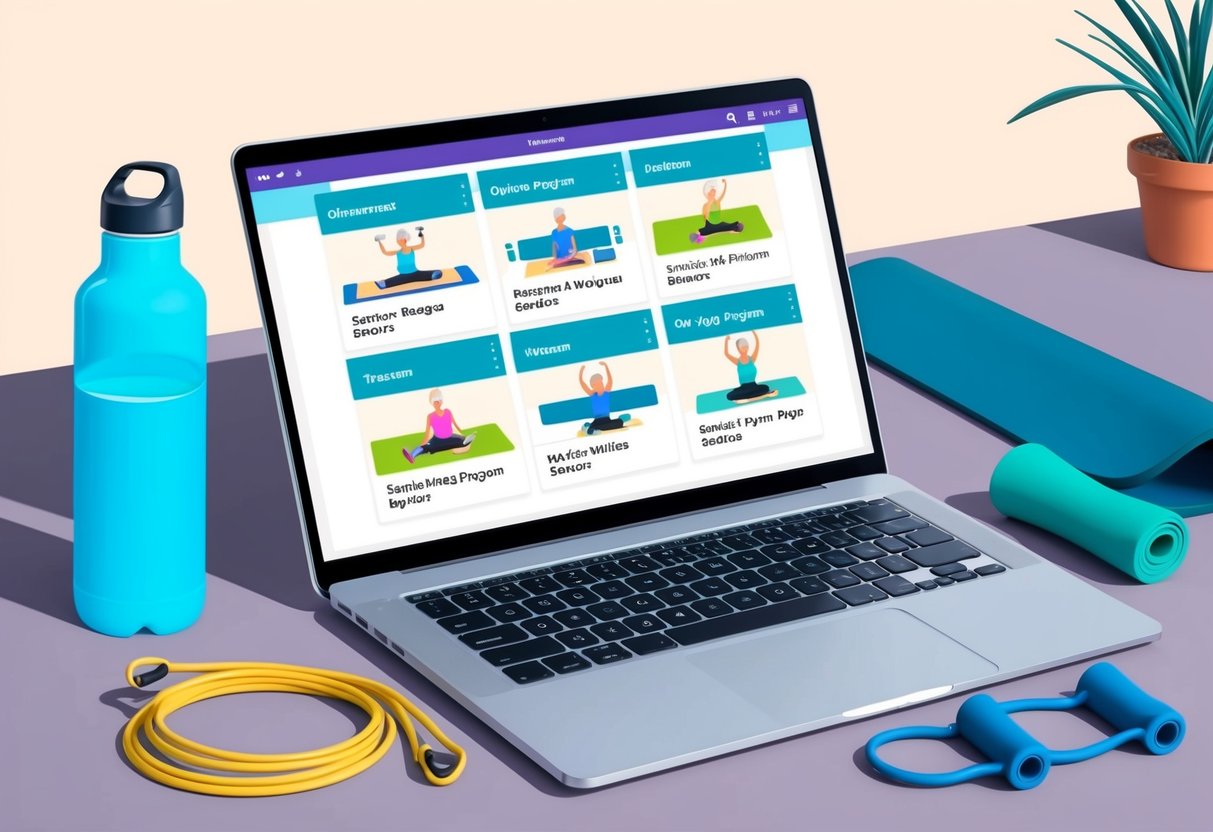
Selecting an online workout program tailored to your needs is crucial for achieving your fitness goals.
Consider your current abilities, desired outcomes, program features, and professional guidance to find the best fit.
Assessing Your Fitness Level
Start by evaluating your current physical condition. Take note of your strength, flexibility, and endurance.
Consider any health issues or injuries that may affect your workout routine. Be honest about your activity level and exercise experience.
Try a few beginner-friendly workout videos to gauge your capabilities. Pay attention to how you feel during and after these sessions.
This self-assessment will help you choose a program that matches your current fitness level and prevents overexertion or injury.
Defining Your Fitness Goals
Clarify what you want to achieve through your online workouts.
Do you aim to improve cardiovascular health, build strength, enhance flexibility, or lose weight? Perhaps you’re looking to maintain your current fitness level or recover from an injury.
Write down specific, measurable goals.
For example, “I want to be able to do 10 push-ups” or “I aim to walk for 30 minutes without getting winded.”
Having clear objectives will guide you towards programs that align with your aspirations.
Evaluating Program Features
Examine the content and structure of potential online workout programs. Look for:
- Variety of exercises
- Clear instructions and demonstrations
- Scalable difficulty levels
- Equipment requirements
- Schedule flexibility
Consider the program’s duration and frequency of workouts. Ensure it fits your lifestyle and time commitments.
Check if the program offers progress tracking tools or community support, which can boost motivation and accountability.
Considering Professional Guidance
Seek programs led by qualified fitness professionals. Look for instructors with recognized certifications in personal training or specific exercise modalities. Their expertise ensures safe and effective workouts tailored to seniors’ needs.
Some online platforms offer personalized coaching or the ability to ask questions. This can be invaluable for addressing concerns and modifying exercises as needed. If you have specific health concerns, consult your doctor before starting a new fitness program.
Consider programs that incorporate input from physical therapists or geriatric exercise specialists. Their knowledge can help you avoid common pitfalls and maximize the benefits of your workouts.
Exploring Types of Online Workouts

Online workouts offer seniors a variety of options to stay active and healthy from the comfort of home. Different styles target specific fitness goals and accommodate various ability levels.
Yoga and Pilates for Flexibility
Yoga and Pilates are excellent choices for seniors looking to improve flexibility and core strength.
Yoga focuses on holding poses and controlled breathing, enhancing balance and reducing stress. Meanwhile, Pilates emphasizes core engagement and precise movements.
Many online platforms offer senior-specific yoga classes. These adapt traditional poses for older adults, often incorporating chairs for support. Gentle flows and restorative practices are particularly popular.
Meanwhile, Pilates routines for seniors typically include modified exercises that are easier on the joints. These workouts can help improve posture and reduce back pain. Both yoga and Pilates can be practiced with minimal equipment, making them ideal for home workouts.
HIIT and Cardio for Endurance
High-Intensity Interval Training (HIIT) and cardio workouts boost cardiovascular health and stamina. For seniors, low-impact versions of these exercises are often recommended.
HIIT alternates short bursts of intense activity with periods of rest. This approach can be adapted for seniors by using gentler exercises and longer rest periods.
Online HIIT classes for older adults might include movements like marching in place or modified jumping jacks.
Cardio workouts for seniors can range from seated exercises to dance-based routines. Many online platforms offer fun, music-driven cardio classes designed to get your heart pumping without putting excess strain on your joints.
Strength and Balance Routines
Strength training is crucial for maintaining muscle mass and bone density as you age. Online strength workouts for seniors often use bodyweight exercises or light weights.
Common exercises include wall push-ups, chair squats, and resistance band movements. These routines typically focus on functional fitness, helping you perform daily activities with ease.
Balance exercises are often incorporated into strength routines to reduce fall risk. Simple exercises like standing on one foot or walking heel-to-toe can significantly improve stability.
Many online programs, such as SilverSneakers, offer comprehensive strength and balance classes tailored to older adults.
Specialized Programs for Seniors
Several organizations provide online fitness programs specifically designed for seniors. AARP offers a range of virtual classes covering various exercise styles.
SilverSneakers, a popular fitness program for older adults, has expanded its online offerings. Their classes cover everything from chair exercises to dance workouts.
“Senior Fitness with Meredith” is another online resource, featuring workouts led by a certified senior fitness specialist. These classes focus on maintaining independence and improving quality of life through exercise.
When choosing a specialized program, look for instructors certified in senior fitness. These professionals understand the unique needs and limitations of older adults, ensuring safe and effective workouts.
Equipment and Setup for Home Workouts
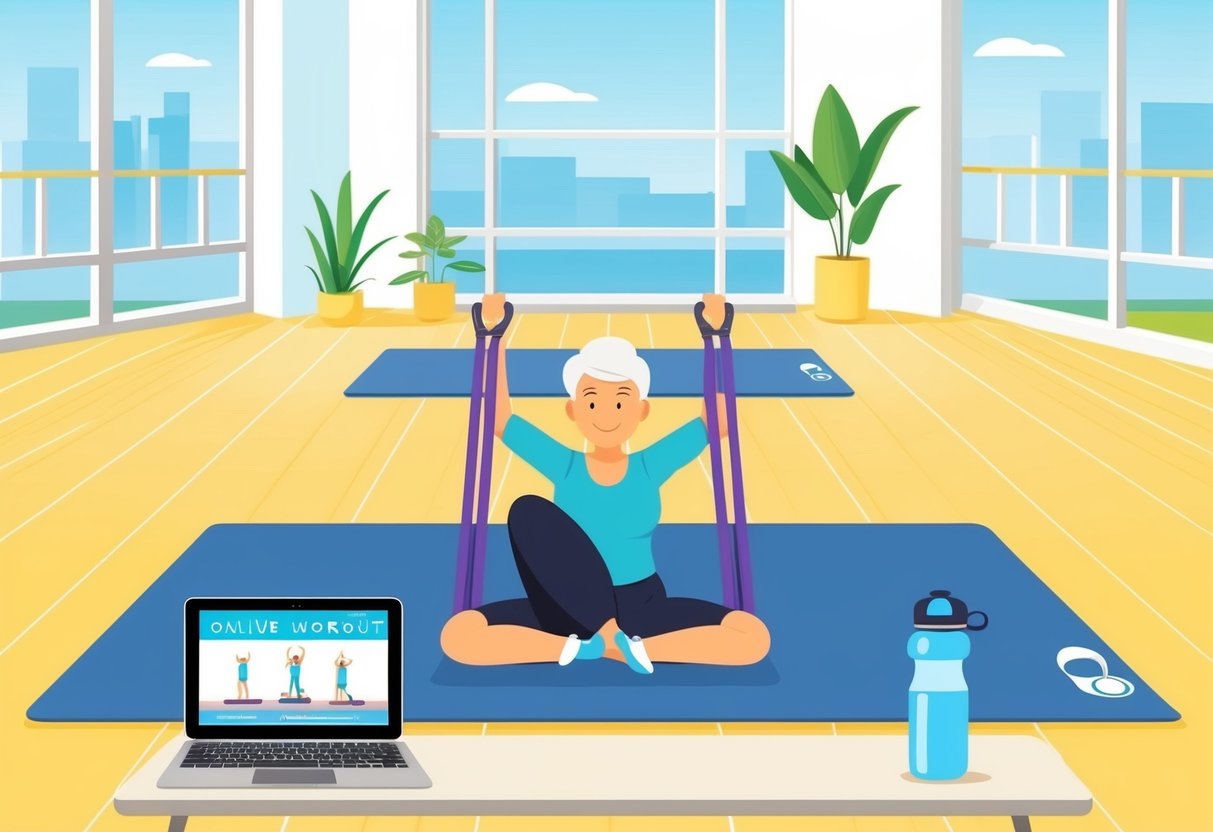
Setting up a home workout space requires careful consideration of equipment and safety. Choosing the right tools and creating a suitable environment will enhance your exercise experience.
Selecting the Right Equipment
Start with basic, versatile equipment for your home workouts.
Resistance bands are excellent for strength training and flexibility exercises. They’re lightweight, portable, and suitable for various fitness levels.
Dumbbells are another essential tool. Choose a set with adjustable weights or multiple pairs to accommodate different exercises and your growing strength.
For cardio, a treadmill can be a valuable investment if space and budget allow.
Chair exercises are perfect for seniors with limited mobility. Select a sturdy chair without wheels for stability during seated workouts.
Creating a Safe Workout Space
Designate a specific area in your home for exercising. Ensure it’s well-lit and has proper ventilation. Clear the space of any obstacles or tripping hazards.
Place non-slip mats on the floor to prevent slipping during exercises. Keep your equipment organized and easily accessible.
Install handrails or grab bars if needed for balance support. Have a phone nearby in case of emergencies.
Ensure you have enough room to move freely without bumping into furniture or walls. A mirror can help you check your form during exercises.
Integrating Nutrition and Fitness

Proper nutrition plays a crucial role in supporting your fitness journey as a senior. A balanced diet provides the energy and nutrients needed for effective workouts and recovery.
Consider incorporating lean proteins, whole grains, fruits, and vegetables into your meals. These foods supply essential vitamins, minerals, and macronutrients to fuel your body.
Stay hydrated by drinking water before, during, and after your online workouts. Proper hydration helps maintain energy levels and supports muscle function.
Timing your meals can optimize your workout performance. Eat a light snack 30-60 minutes before exercise to provide energy without causing discomfort.
After your workout, consume a combination of protein and carbohydrates to aid in muscle recovery and replenish energy stores.
Key nutrients for senior fitness:
- Calcium: Supports bone health
- Vitamin D: Aids calcium absorption
- Protein: Helps maintain muscle mass
- Omega-3 fatty acids: Reduce inflammation
Consult with a registered dietitian or your healthcare provider to create a personalized nutrition plan that complements your fitness routine. They can help you address any specific dietary needs or restrictions you may have.
Remember, integrating proper nutrition with your online workouts can enhance your overall fitness results and support your health goals as a senior.
Staying Motivated and Tracking Progress
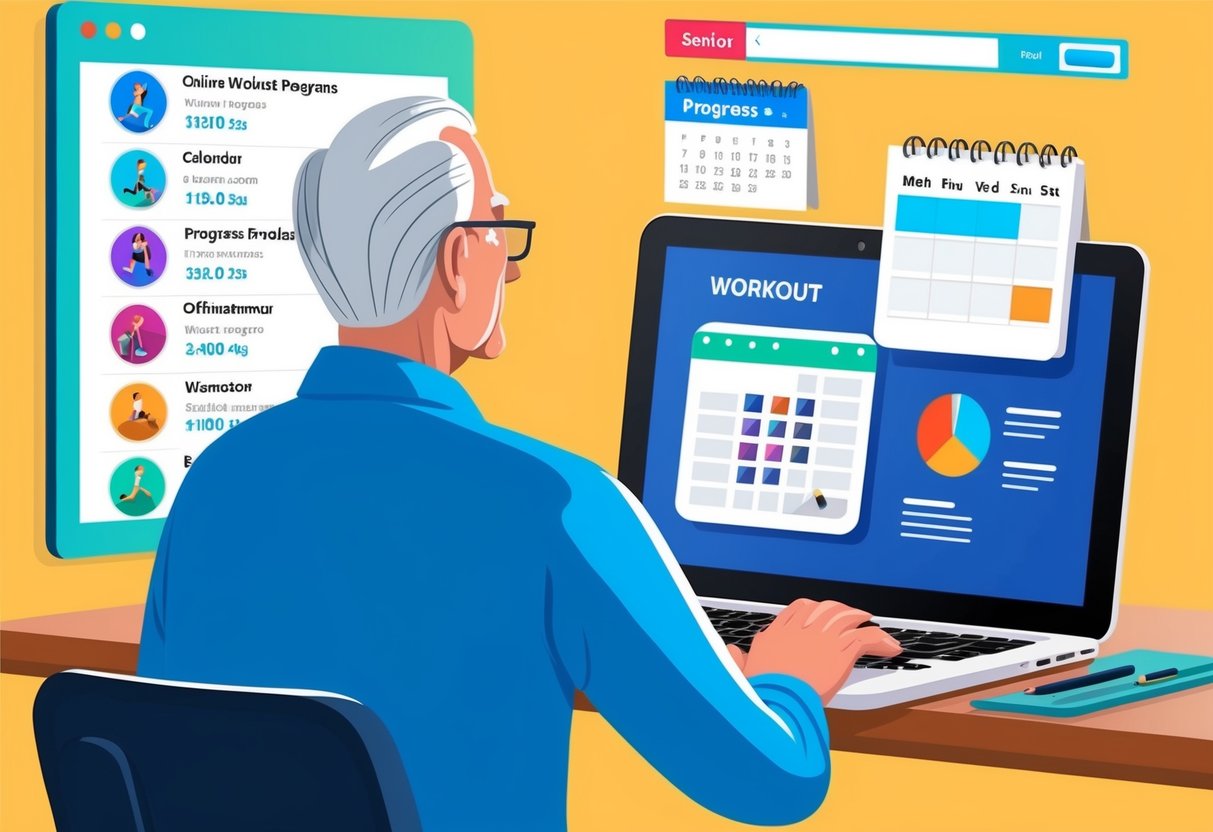
Maintaining motivation and monitoring your progress are crucial for sticking with online workouts. These strategies will help you stay on track and see your fitness improvements over time.
Setting Achievable Goals
Set specific, measurable goals for your online workouts. Start small and gradually increase the difficulty.
For example, aim to complete two 15-minute sessions per week, then build up to three 30-minute workouts.
Write down your goals and place them where you’ll see them daily. This visual reminder can boost your motivation.
Celebrate your achievements, no matter how small. Reward yourself with a relaxing bath or a favorite healthy snack after reaching a milestone.
Consider partnering with a friend or family member for accountability. You can share progress and encourage each other, even if you’re not exercising together in person.
Using Technology for Motivation
Leverage fitness apps and wearable devices to track your workouts. Many offer features like step counting, heart rate monitoring, and exercise logging.
Use your smartphone or tablet to set daily reminders for your scheduled workout times. This can help you maintain a consistent routine.
Join online communities or social media groups focused on senior fitness. Sharing your progress and interacting with others can provide motivation and support.
Try gamified fitness apps that make exercise more fun. These apps often include challenges, rewards, and virtual competitions to keep you engaged.
Consider virtual personal training sessions for personalized guidance and motivation. Many trainers now offer online coaching tailored to seniors’ needs.
Safety Tips for Senior Online Workouts
Before starting any online workout program, consult your doctor. This is especially important if you have existing health conditions or injuries.
Choose workouts specifically designed for seniors. These will be lower-impact and focus on exercises suitable for older adults.
Clear your workout space of any tripping hazards. Make sure you have enough room to move safely without bumping into furniture.
Wear comfortable, supportive shoes to prevent slips and provide stability during exercises.
Keep water nearby and stay hydrated throughout your workout. Take breaks when needed and listen to your body.
Start with shorter sessions and gradually increase duration as your fitness improves. Don’t push yourself too hard too quickly.
Use a sturdy chair or wall for balance during standing exercises if needed. Safety should always be your top priority.
If you experience pain, dizziness, or shortness of breath, stop exercising immediately. Contact your healthcare provider if symptoms persist.
Consider working out with a friend or family member, even if virtually. This adds an extra layer of safety and accountability.
Remember, it’s okay to modify exercises or take breaks. Your safety and comfort are more important than keeping up with the instructor.
The Impact of Exercise on Mental Health

Regular exercise can significantly boost your mental wellbeing as a senior. Physical activity stimulates the release of endorphins, which are natural mood elevators.
You may experience reduced symptoms of anxiety and depression through consistent workouts. Exercise helps lower stress levels and improves self-esteem.
Engaging in physical activities can sharpen your cognitive function. It enhances memory, attention span, and decision-making skills.
Exercise promotes better sleep quality. You’re likely to fall asleep faster and enjoy deeper, more restorative rest after being physically active.
Social aspects of group exercises can combat feelings of loneliness. Joining online workout communities allows you to connect with peers, fostering a sense of belonging.
Here are some mental health benefits of exercise for seniors:
- Improved mood
- Reduced stress and anxiety
- Enhanced cognitive function
- Better sleep quality
- Increased social connections
Remember to start slowly and choose activities you enjoy. This approach helps you maintain consistency and reap the mental health rewards of regular exercise.
Community and Support for Older Adults

Online workouts for seniors offer more than just exercise – they provide opportunities to connect with others and receive support.
Virtual fitness communities can enhance motivation and accountability while small group classes foster social connections.
Finding Online Communities
Many fitness platforms have dedicated forums or social features for seniors. These spaces allow you to share experiences, ask questions, and celebrate achievements with peers.
Look for apps or websites that offer chat rooms, discussion boards, or private messaging options.
You can join AARP’s online fitness community to connect with other active seniors.
Facebook groups focused on senior fitness are another great option. These communities often share workout tips, healthy recipes, and words of encouragement.
Consider participating in virtual challenges or events. These can create a sense of camaraderie as you work towards common goals with fellow seniors across the country.
Engaging with Small Group Classes
Small group online classes provide a more intimate setting for seniors to exercise together.
These classes typically have 5-15 participants, allowing for personalized attention from the instructor.
Look for platforms that offer live-streamed classes with two-way video. This enables you to see and interact with both the instructor and other participants.
Many seniors find this format motivating and enjoyable.
Some providers offer classes tailored to specific interests or health conditions. You might find groups for seniors with arthritis, diabetes, or balance concerns.
These specialized classes can provide targeted support and guidance.
Regular attendance in small group classes can help you form connections with other seniors. You’ll likely see familiar faces each week, fostering a sense of community and accountability in your fitness journey.
Resources and Programs for Continued Learning
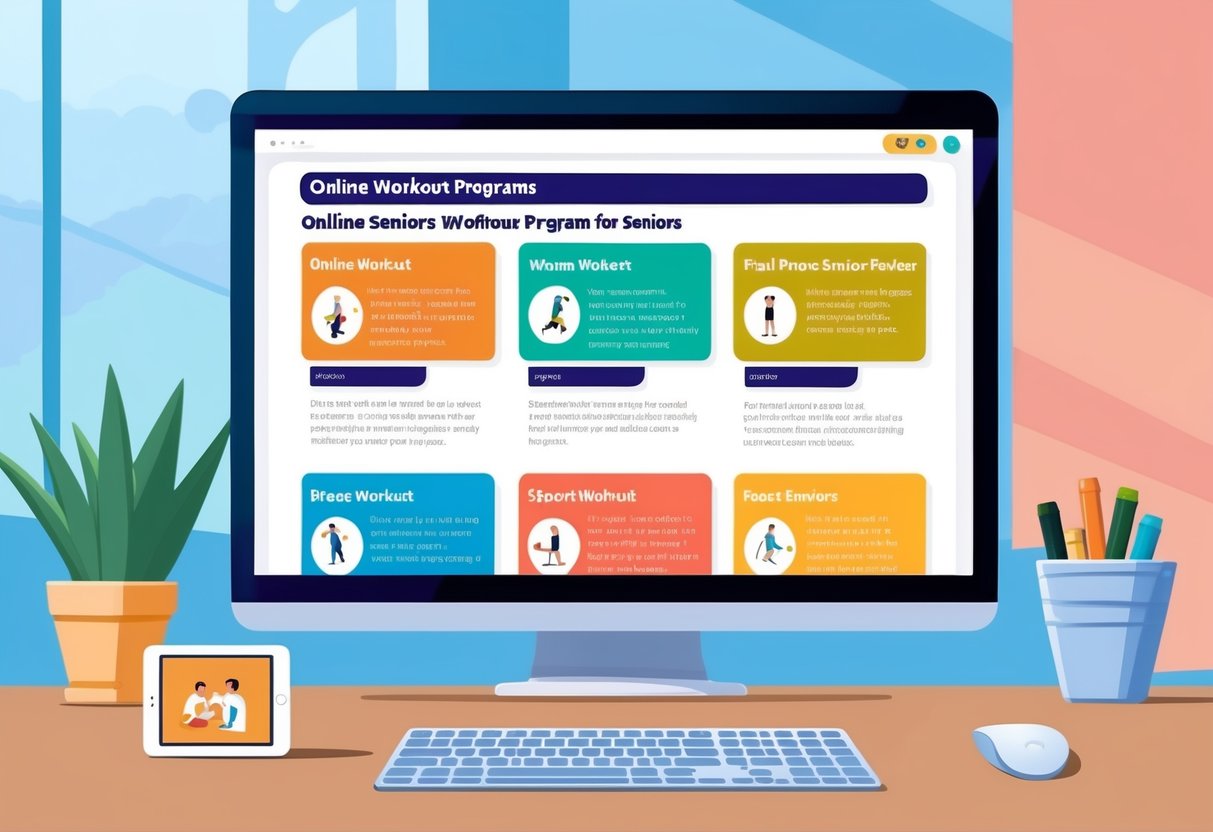
Many online platforms offer resources and programs for seniors to continue learning about fitness and exercise. These provide valuable information to help you stay active and healthy.
YouTube hosts numerous free workout videos tailored for older adults. Channels like Silver Sneakers and Grow Young Fitness offer guided routines you can follow along with at home.
Freeletics, a popular fitness app, includes customizable workout plans suitable for various fitness levels. Its adaptive AI coach can help you progress safely and effectively.
Local community centers and libraries often provide free or low-cost online classes for seniors. Check their websites for virtual exercise programs and educational workshops on health topics.
AARP’s website features a wealth of articles and videos on senior fitness. Their exercise library demonstrates proper form for various movements, helping you exercise safely.
Senior Planet offers free online fitness classes specifically designed for older adults. Their live-streamed sessions cover yoga, strength training, and balance exercises.
National Institute on Aging’s Go4Life program provides exercise videos, motivational tips, and tracking tools. This comprehensive resource helps you create and maintain an active lifestyle.
Remember to consult your healthcare provider before starting any new exercise program. They can offer personalized advice based on your specific health needs and goals.
Frequently Asked Questions

Choosing and engaging in online workouts can greatly benefit seniors’ health and fitness. These questions address key considerations for getting started and maximizing results.
What criteria should seniors consider when choosing an online workout program?
Look for programs designed specifically for older adults. Check that instructors are certified and experienced in working with seniors.
Ensure exercises can be modified for different fitness levels and mobility limitations.
Consider your personal goals, such as improving balance, strength, or flexibility.
Review class descriptions and sample videos to gauge if the intensity and style match your needs and preferences.
Which exercises are most beneficial for seniors to improve balance?
Tai chi and yoga can significantly enhance balance and stability.
Simple standing poses like tree pose or single-leg stands are effective.
Heel-to-toe walks, side steps, and gentle leg swings also help. For added challenge, try standing on one foot while brushing your teeth or doing light household tasks.
Are there any tailored exercise programs for seniors available for free online?
Many reputable organizations offer free senior-focused workout videos.
The National Institute on Aging provides a variety of exercises on their YouTube channel.
SilverSneakers posts free workout videos on their website and social media platforms.
Local senior centers and libraries may also offer free virtual fitness classes.
How can seniors assess their fitness level to select an appropriate online exercise class?
Start with a self-assessment of your current abilities. Can you comfortably walk for 10 minutes? Stand on one foot for 10 seconds?
Try a beginner-level class and gauge how you feel during and after. If it’s too easy or difficult, adjust accordingly.
Consult your doctor for personalized recommendations based on your health status.
What are some recommended online workout channels or instructors for seniors?
GrowYoung Fitness offers chair-based workouts suitable for various mobility levels.
Sixty and Me provides gentle yoga and balance exercises tailored for older women.
HASfit features a range of senior-friendly strength and cardio workouts.
AARP’s Staying Sharp program includes brain-health exercises alongside physical fitness routines.
How often should seniors engage in online workouts to see noticeable health benefits?
Aim for at least 150 minutes of moderate-intensity aerobic activity per week. This could be 30 minutes, five days a week.
Include strength training exercises 2-3 times weekly. Start with shorter sessions. Then, gradually increase duration and frequency as your fitness improves. Consistency is key for achieving and maintaining health benefits.